Indigenous Roots Community Summit brings Native community together across Tulsa


(MUSCOGEE RESERVATION) More than 300 people participated in the 2026 Indigenous Roots Community Summit, held October 2-4 at locations across Tulsa. Organized by Crosswinds News in collaboration with community partners, the three-day event expanded the former Indigenous Roots Symposium into a community-wide gathering featuring cultural activities, educational workshops, community discussions and family-friendly programming.
Now in its third year, Indigenous Roots brought together Native families, artists, organizations and community members through activities designed to strengthen connections and introduce participants to resources and opportunities across the Tulsa area.
Post-event survey results suggest the expanded format helped accomplish those goals. Of 30 respondents, 20 said they discovered a Native organization, business, artist, resource or community opportunity they had not previously known about.
Fourteen respondents also said they connected with someone they plan to collaborate with in the future, while another 15 indicated a possible future collaboration.
“This was a great weekend for networking & discovering new locations,” one attendee shared in a survey response. “My family is thankful for experiences like this that our whole family can attend.”
Community partnerships bring summit across Tulsa
Community collaboration was central to this year's summit, with participating organizations hosting activities and opening their spaces to attendees throughout the weekend.
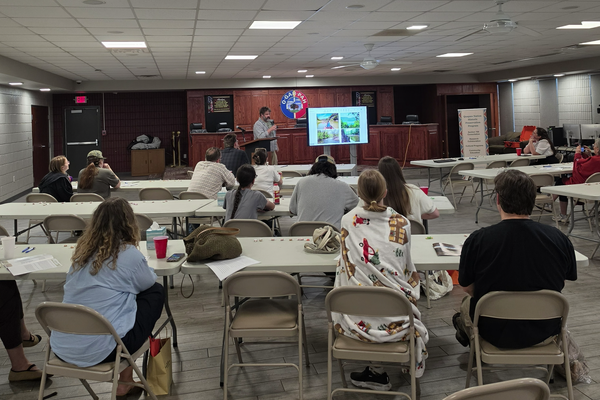
The summit kicked off Friday at Indian Health Care Resource Center, where attendees had an opportunity to learn about health services and connect with organizations serving Native communities in Northeast Oklahoma.
Friday's programming also included the opening of Memory and Connection on the Mother Road, an exhibition featuring nine Native artists at NYU Tulsa, along with film screenings highlighting Indigenous stories and perspectives.
On Saturday, the Center for Public Secrets hosted programming highlighting the work of the late Tulsa historian Lee Roy Chapman, as well as a Rematriation Workshop led by Words of the People. The center also served as a gathering space for vendors during Sunday's activities.
Other activities across Tulsa included a scavenger hunt at Southwest Trading Company, a walking tour of Oaklawn Cemetery led by Tatianna Duncan, executive director of Lucinda Hickory Research Institute, and hands-on beading and art activities at Burning Cedar Sovereign Wellness.
Participants were also introduced to Walking in Balance, a culturally centered program designed to support physical health and mental well-being.
The Oaklawn Cemetery walking tour was among the activities attendees identified as particularly meaningful. Duncan shared the history of her Mvskoke ancestors and their connections to the cemetery, offering participants an opportunity to learn about Native history preserved within Tulsa.
“The Oaklawn cemetery tour was very neat,” one survey respondent shared. “I did not know some of our Mvskoke history in this cemetery before we went to this. I am grateful for the opportunity to attend.”
Another attendee emphasized the importance of hearing those histories firsthand.
“The cemetery talk was also important, and it was good to hear the voices of people who knew their family history and the graves present in Tulsa.”
Sold-out benefit dinner supports community organizations
For the first time in Indigenous Roots' three-year history, the Saturday evening dinner sold out.
This year's gathering also marked a shift toward a benefit dinner, with proceeds supporting the organizations that helped plan and host the summit.
Held at the Museum of Tulsa History, the evening featured a keynote presentation by Dr. Michelle Johnson-Jennings on the theme Love as Medicine.
The dinner and fundraising activities generated $2,172.34 in proceeds, which will be distributed among the dinner’s 10 beneficiary community organizations.
Following dinner, Full Blood Productions presented the Rezzy Jams comedy show on the museum lawn, giving attendees an opportunity to enjoy Native comedy and continue connecting with others.
“I enjoyed the comedy show the most, because this was my first time getting to watch Native comedians,” one attendee said.
Another survey respondent highlighted both the entertainment and the opportunity to build relationships.
“The events at MOTH (Museum of Tulsa History) were well done. Loved Full Blood comedy show and strengthening relationships.”
Family Fun Day brings generations together
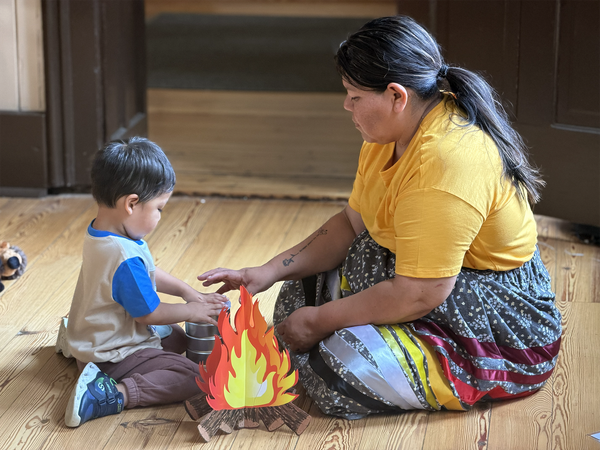
The summit concluded Sunday with Family Fun Day at Veterans Park, extending the weekend's focus on community connections to Native children and families.
The afternoon featured games, cultural activities, storytelling and demonstrations by the Tulsa Indian Club Singers and Michael Lohman. Community organizations also provided opportunities for families to participate in activities and learn about available resources.
Miss Indian Oklahoma Janaya McIntosh (Muscogee, Diné and Crow Creek Sioux) joined the festivities, sharing stories with children and spending time with families.
“My favorite part about this is connecting,” McIntosh said. “I’m a speech language pathologist, just seeing connections being made, and that they’re (kids) willing to learn and grow.”
McIntosh said she values opportunities for people from different tribal nations to gather, share experiences and celebrate their cultures.
“Native people are such a staple in the state and that’s what makes Oklahoma, Oklahoma,” McIntosh said. “As Miss Indian Oklahoma, I’m a symbol of resilience that we’re still here, we still have a voice, we still have a place in this state.”
Attendee feedback helps shape future summit
Overall, the summit received positive feedback from survey respondents. Twenty-three of 30 rated their experience five out of five stars, while the remaining seven gave it four stars.
Twenty-nine respondents said they would probably or definitely attend again, and all 30 said they would probably or definitely recommend the event to someone else.
The expanded programming also presented challenges. Twenty-two respondents reported missing activities they wanted to attend, citing issues including overlapping sessions, scheduling conflicts and travel between locations.
Seventeen respondents said they liked or really liked the multi-location format, while seven were neutral and six preferred fewer locations or a more centralized gathering.
The feedback provides organizers with insight into how future summits can continue creating opportunities for community connections while improving accessibility and scheduling.
Crosswinds News and its community partners are already looking ahead to the 2027 Indigenous Roots Community Summit, with plans to invite additional community members to participate in the planning process.
Announcements about upcoming planning meetings and opportunities to join the 2027 planning committee are expected in the coming months.