North Tulsa Cherokee Community Center to open soon after years of persistence and planning
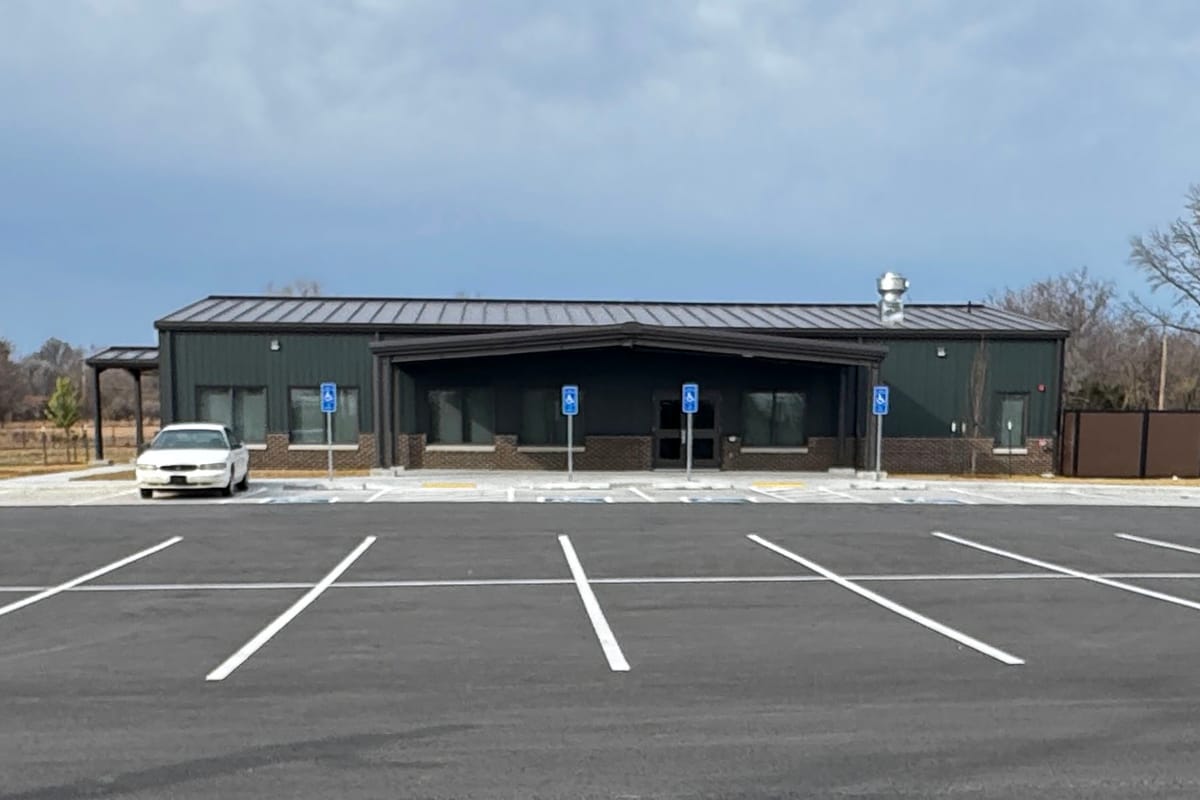
(TULSA, Okla.) The North Tulsa Cherokee Community Organization will finally see their dream become reality. Over the past 6 years, volunteers met, built partnerships and asked the community what was needed. The first-look event of the new community center, located at 1205 E. 46th Street North, is scheduled for Thursday, Feb. 19, 2026, at 1 p.m.
Most Cherokee cultural events and programming happen near the tribe’s headquarters in Tahlequah, more than an hour’s drive from Tulsa. However, just shy of half of Tulsa County is located on Cherokee Nation reservation land, and many Cherokee citizens live in Tulsa. This means many tribal members are unable to regularly participate in ceremony and community events.
Since Cherokee Nation District 13 tribal councilor Joe Deere took office in 2019, he says he has worked to increase visibility for Cherokee citizens in North Tulsa. When Deere first began meeting with residents, they did not come to listen to speeches.
They wanted to share their concerns, Deere said, and those concerns helped shape the North Tulsa Cherokee community organization over the past 6 years.
“There were no services here. I wanted to bring Tahlequah to Tulsa," Deere said.
The community asked for a place that could host community events, and services for youth and elders. A place where the community can come together in a positive way.
The organization began meeting at the Tulsa Dream Center. The group grew, and the well-attended monthly meetings proved how strong the demand was.
Waynetta Lawrie, who has served as president of the North Tulsa Cherokee Community Organization since its founding in 2019, says the turnout for these meetings was unforgettable.
“I was overwhelmed because of the amount of people we had,” she said.
Lawrie said the enthusiasm comes from years of Tulsa Cherokees feeling excluded from tribal engagement due to lack of resources and events for citizens in North Tulsa.
”We have been overlooked for so many years,” Lawrie said.
The 4,000-square-foot center sits on 10 acres of land, according to Lawrie, and will include space for play areas, a pavilion, and a stickball field.
The promise of a building changed conversations. Instead of wondering whether a dedicated space would ever be available, community members began to imagine what youth activities, elder gatherings, cultural events and Cherokee language classes could mean for North Tulsa.
“It gives us a place where we can gather, take care of our elders, take care of our youth and a place to call our own,” Lawrie said.
These past 6 years have also been challenging.
The pandemic, which went full-blown just a year after the group began meeting, shifted priorities from planning events to just trying to help people survive. Since then, economic uncertainty and several failed searches for property have provided additional obstacles.
A collaboration with Food on the Move was one of the partnerships that helped distribute food across multiple sites several days each week during the pandemic. Deere estimates more than 23 million meals were served through those efforts.
During that time, even while handling urgent needs, volunteers continued organizing, documenting participation, and planning for the future.
Brandi Payton, a founding member who has worked in outreach, communications, and organizational support, helped wherever she was needed. As time went on, she says she stopped trying to define her title.
”I am whatever the community needs me to be,” Payton said.
Consistency mattered as much as ambition. The organization needed attendance, documentation, and visible participation. This meant building relationships, keeping members informed, and showing up month after month when space was limited and scheduling depended on The Tulsa Dream Center’s availability.
“Those routines created trust, and they also created family,” Payton said.
As the group prepares to move into its own building, Payton is beginning to consider the reality of what’s to come. Leaders will no longer work around scheduling conflicts or compete for a room on a calendar. They will be able to schedule language classes, cultural workshops, and gatherings based on community demands.
For Payton, this opportunity hits close to home. She thinks about her three-year-old child and how far families like hers currently have to travel for Cherokee language opportunities.
“To have language classes 15 minutes from our house- that excites me,” Payton said.
For Deere, the community center carries meaning beyond programs and square footage. It is also a symbol, proof of the tribe’s presence and impact in Tulsa. Deere hopes the structure sends a message that lasts a lifetime.
“It created a community and shows the Cherokee Nation is here and Indigenous people are here,” Deere said.
As the building is not yet complete, Thursday’s community preview will be held outdoors under tents, with leaders welcoming guests onto the property for the ceremony. Organizers expect the building to open for regular access this spring, depending on construction timelines.
What started with neighbors looking for a place to meet has led to a permanent home, built through the persistence of a community that believes North Tulsa Cherokees deserve to be together.