Rising up together: Wakaya building healthier futures for Native youth
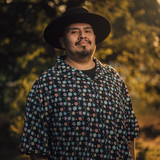
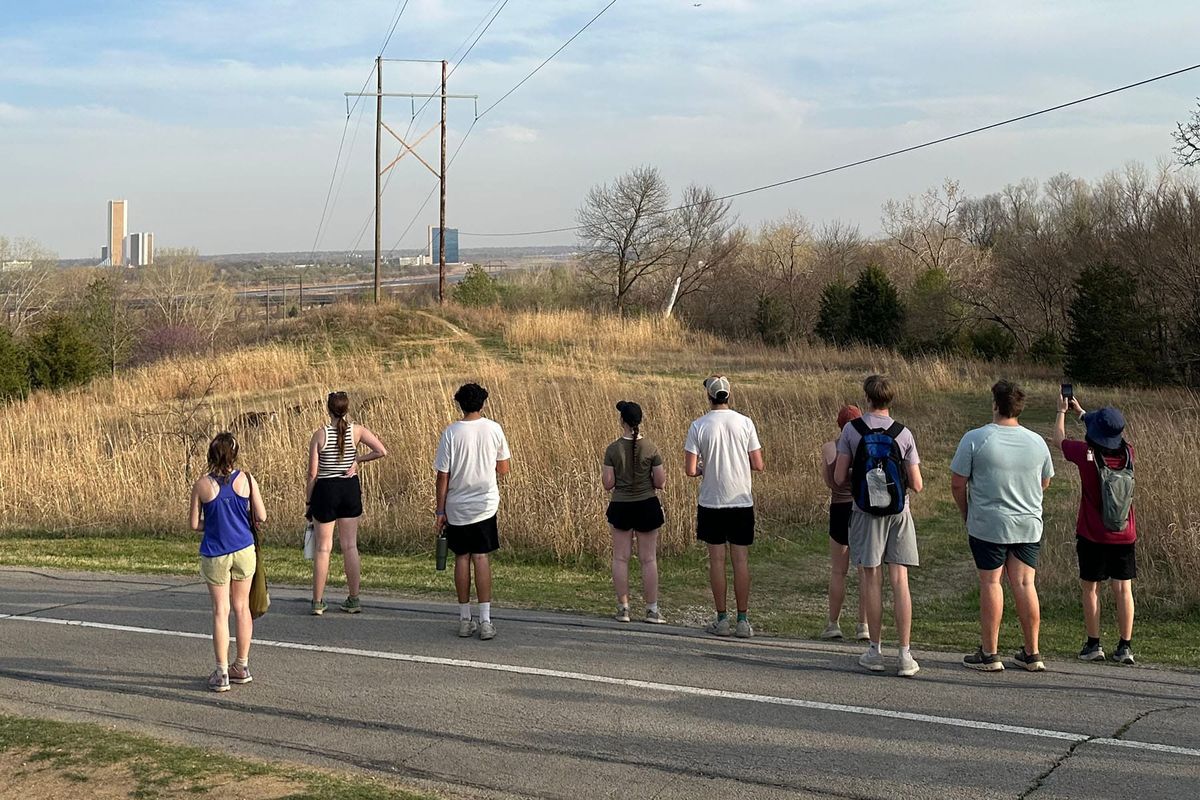
(TVLSE, Okla.) This July and August, Tulsa-area Native youth ages 12 to 19 are invited to join Wakaya and rise up through wellness, leadership and culture.
Wakaya, a Choctaw word meaning “to rise up,” is a wellness and leadership program that combines outdoor activities, traditional stories, cultural arts, community service and personal goal setting. The free program encourages participants to think holistically about their health while developing leadership skills, cultural knowledge and confidence.
The program is run by Dr. Michelle Johnson-Jennings (Choctaw), the director of the Indigenous Wellness Research Institute at the University of Washington’s School of Social Work. Johnson-Jennings leads Wakaya as a research initiative to gather data on ways to improve health outcomes for Native youth.
History of the program
Wakaya grew out of Yappali, a Choctaw wellness initiative that encouraged women to take charge of their physical health. Participants walked together, including the path of the Trail of Tears, supporting one another through their wellness journeys.
According to Wakaya health interventionist Truman Pipestem (Eastern Band Cherokee, Osage and Otoe-Missouria), feedback from those participants helped shape what came next.
”One of the takeaways and major points of feedback from those participants is that they wanted a similar equivalent program for Choctaw youth,” Pipestem said.
Health researchers and tribal leaders were already interested in finding ways to address health concerns affecting Native youth. Studies show that Native youth face increased risks of obesity, physical inactivity and Type 2 diabetes. If current trends continue, one out of every three Choctaw youth could develop Type 2 diabetes by 2050, while obesity rates in the tribe could climb to 70%, according to Wakaya.
To help address this challenge, the Choctaw Nation of Oklahoma, the Indigenous Wellness Research Institute and the University of Washington School of Social Work partnered to develop Wakaya. Rather than relying solely on traditional health education, Wakaya reflects Native values, history and community life. The research initiative aims to determine if a culture-based wellness program can positively impact Native youth.
What participants can expect
This summer, Wakaya will host two separate week-long camps for youth from all tribal backgrounds. Participants will meet each day from 9 a.m. to 5 p.m. in Tulsa. The program will culminate in an overnight camping trip in southern Oklahoma.
The program approaches wellness through four areas: physical health, cultural health, community health and respect for place. Participants will hike, play team sports, hear traditional stories, watch films by Native filmmakers, create cultural art, visit sites throughout the region and take part in discussions with community leaders. For Pipestem, these activities are not just recreation.
”If we can leave our students with any idea, it’s that there is a traditional imperative,” Pipestem said. “A traditional calling to live well and be proactive in making positive life decisions for yourself.”
Program impact
Pipestem understands how powerful community support can be. After moving from Washington, D.C., to Oklahoma during middle school, he became involved in Tulsa Public Schools Indian Education activities and eventually founded the Native Youth Board while still in high school.
Pipestem’s focus on Native issues continued at Yale University, where he earned a humanities degree, studied Indigenous storytelling traditions and served as co-president of the Native and Indigenous Students Association.
After returning home to Oklahoma, Pipestem heard about Wakaya through a relative. He later saw a job posting for a health interventionist with the program. His enthusiasm, knowledge and Tulsa connections made it a no-brainer. Wakaya offered Pipestem an opportunity to work with Native youth while sharing lessons he had spent years learning.
“I’ve been blessed by the community here, and I consider it a high honor to be able to give back in this way,” Pipestem said.
At Wakaya meetings, many discussions begin with stories. Pipestem uses traditional stories to encourage participants to think about leadership, responsibility, decision-making and how they want to live their lives.
”I hope that our participants are able to internalize the stories that we tell them, not just as remnants of the past, but as stories with distinct messages about how to live,” Pipestem said.
That approach stood out to Chloe Gray, who participated in Wakaya in the spring. Gray first learned about the program after seeing a flyer and attending a presentation by program staff. The combination of outdoor activities, wellness and culture caught her attention.
“I felt like it was interesting that they were going to connect your health with culture because I really hadn’t seen much of that previously,” Gray said.
One of Gray’s favorite experiences was the overnight camping trip, where she learned how to set up camp, spend the night outdoors and complete a four-mile hike.
”I never been in a tent before,” Gray said. “I don’t think everybody was confident in their capabilities of finishing it, but we all were able to make it through. We did it and had a fun time.”
Gray also appreciated the friendships that developed throughout the program. Many participants arrived without knowing one another. Through discussions and shared experiences, they learned from one another and built friendships that continued on beyond the sessions.
Gray said that meeting Native mentors and hearing their stories broadened her perspective. Hearing about Pipestem’s path from Tulsa to Yale challenged her assumptions about what is possible for Native students like her.
”I’ve not met a Native student who went to Yale before, and showing that that’s an option and a choice we have is very eye-opening,” Gray said.
For both Johnson-Jennings and Pipestem, that is exactly the point.
How to get involved with Wakaya
The deadline to apply for Wakaya ‘s summer 2026 program is July 6. Eligible Native youth ages 12 to 19 are accepted on a first-come, first-served basis. Additional programming is also planned for fall 2026.
Participation in Wakaya is completely free, and the program offers additional support to help youth fully engage. Youth who complete the program will receive a $350 stipend, a Fitbit health tracker and running shoes.
Participants will be asked to complete surveys and share information about their physical activities and decision-making habits throughout the program. This information will help researchers better understand whether cultural wellness programs impact Native youth.
For more information, visit the Wakaya website.