Oklahoma Supreme Court declines to intervene in Tribal hunting dispute

(OKLAHOMA CITY, Okla.) On March 23, the Oklahoma Supreme Court declined to overturn Attorney General Gentner Drummond’s opinion that the state cannot prosecute tribal members for hunting and fishing on their reservations.
Tribal leaders praised the court’s decision not to intervene.
Choctaw Nation Chief Gary Batton reacted to the decision saying, “It has always been clear that tribal members have a right to hunt and fish on Tribal Land. We appreciate the Justices for clearly signaling these principles still hold. We also see this ruling as an important affirmation of our tribal sovereignty.”
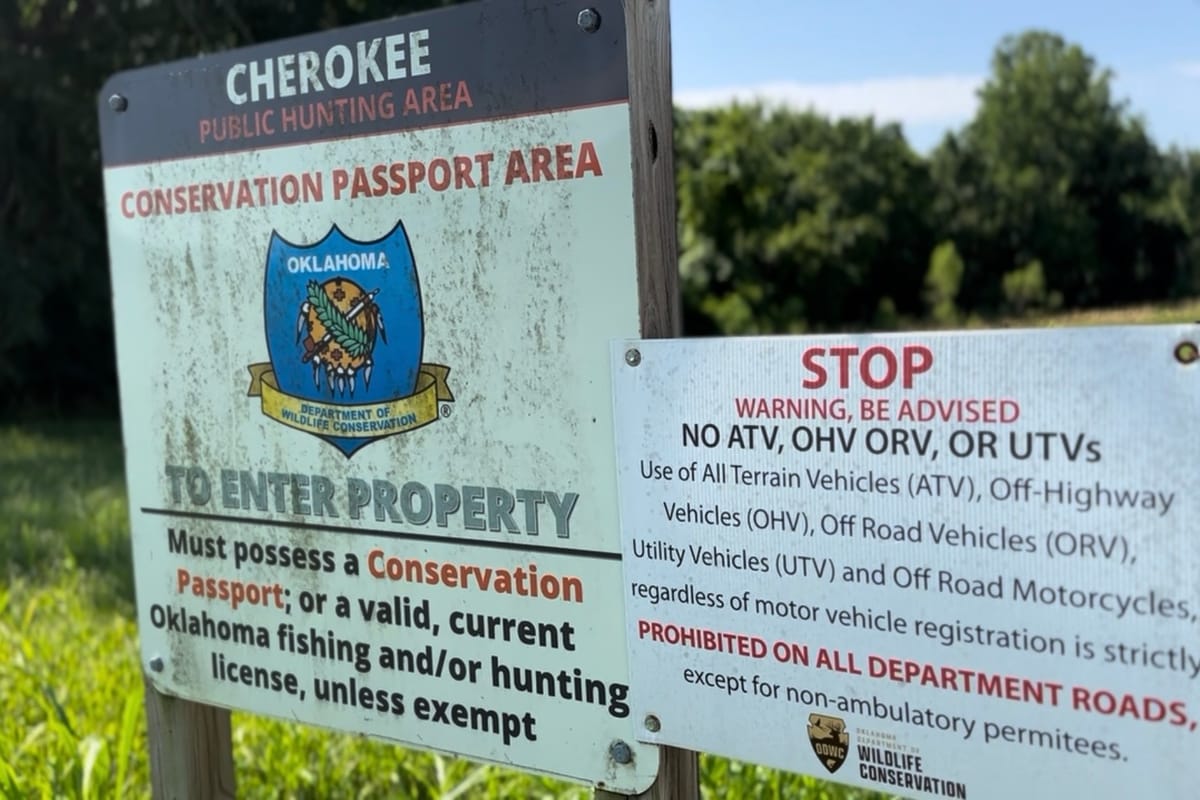
The legal drama started in October of 2025 when the Oklahoma Department of Wildlife Conservation announced they would take legal action against anyone in violation of the state's hunting and fishing laws regardless of tribal citizenship, and that hunters and anglers must have a state license. The ODWC cited Stroble vs. Oklahoma Tax commission as evidence that McGuirt only applied to major crimes.
In November, Drummond sent a letter to Wade Free, the Director of ODWC asking him to rescind the policy, saying it was unlawful because of tribal sovereignty over hunting and fishing.
Drummond also stated that a citizen of the Chickasaw Nation was being prosecuted by a special prosecutor for hunting on the Chickasaw Reservation without a state license. Drummond said his office would take over any of those cases and dismiss the charges.
In November, Governor Kevin Stitt appointed Russ Cochran to be a special prosecutor and enforce Oklahoma’s hunting and fishing laws.
“The State of Oklahoma can prosecute Indians who commit non-major crimes in our state,” Governor Kevin Stitt said at the time. “I will not stand by and allow lawless Drummond to undermine district attorneys who are prosecuting crimes and keeping Oklahomans safe.”
In response to legal action being taken against tribal citizens hunting and fishing on their reservations, the Cherokee Nation, Chickasaw Nation, and Choctaw Nation filed a lawsuit against Stitt and the ODWC. The lawsuit argued that Stitt’s directives and the actions of ODWC violated tribal sovereignty.
In January Stitt and the ODWC asked the Oklahoma Supreme Court to overturn Drummond’s legal opinion. On March 23, the Supreme Court declined to do that, signaling that the issue should be decided in federal court.
Oklahoma Supreme Court Justice Travis Jett and Justice James Winchester both concurred, “We should not delve into the merits of this case. Factual development is required to analyze the parties’ substantive arguments, and there is a pending lawsuit involving similar issues and parties in the U.S. District Court for the Northern District of Oklahoma.”
The concurring opinion continued, “Our decision to abstain from the merits is bolstered by the fact that Attorney General Opinion 2025-19 is merely advisory. No official is bound by the Attorney General’s view of a constitutional infirmity.”
Cherokee Nation of Oklahoma Principal Chief Chuck Hoskins Jr. responded to the Oklahoma Supreme Court's decision stating, “Since settling these lands after our forced removal and as reflected in our treaties, our ancestors have stewarded these lands, and because of decisions like this, our children will continue to hunt and fish here for generations to come. We stand united and resolute, ready to uphold our cherished traditions, and defend the sovereign rights of our people. Today the Oklahoma Supreme Court honored the sanctity of our treaties, paving the way for a future built on mutual respect, progress, and justice.”
Tribal leadership not involved in the lawsuit also responded to the Court decision.
Seminole Nation Principal Chief Seena Davis-Yesslith said, “Today’s (Monday) Supreme Court ruling was a huge win for the Five Civilized Tribes, for Seminole Nation, in our right to exercise our sovereignty and authority over our lands. Our inherent right to hunt and fish on our tribally owned lands is not for the State to tell us otherwise. Seminole Nation looks forward to communicating effectively and forming a partnership with the next Governor of Oklahoma.”
The federal lawsuit filed by the Cherokee, Chickasaw, and Choctaw Nations is still being litigated. A decision is expected to be made by a federal court.
Crosswinds News will continue to follow this story.