What to expect at a powwow: A first-time visitor’s guide
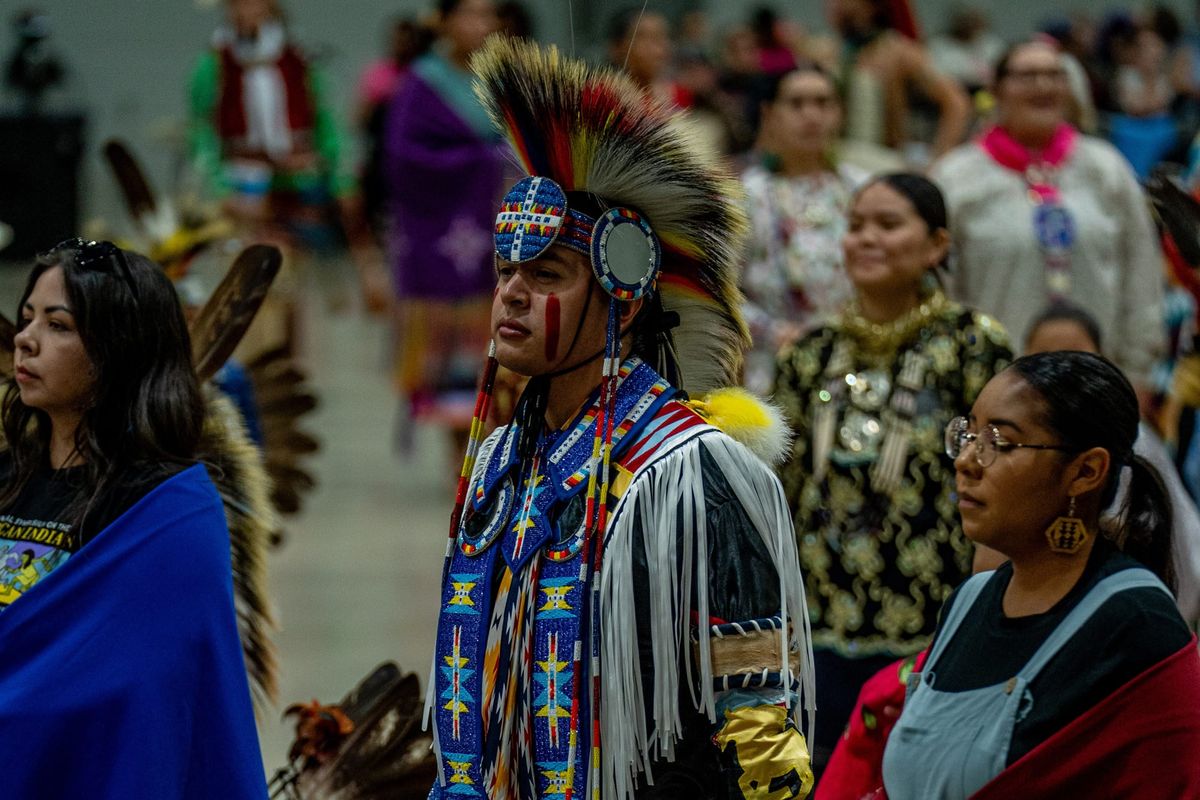
(TVLSE, Okla.) For someone who has never attended a powwow, the experience may feel overwhelming at first.
The steady, loud beat of a drum echoes across the arena. Dancers wearing brightly colored regalia move in rhythm as attendees greet and visit with one another. For a first-time visitor, it can be hard to know where to begin.
Am I allowed here? Can I take pictures? Can I dance? Where do I sit? What do all of these songs and dances mean?
Tulsa Indian Club Chairman David Bible said those are exactly the kinds of questions many people ask when they attend their first powwow.
”The public’s invited,” Bible said. “They come to learn.”
The 74th Annual Tulsa Powwow will be held July 25 and 26 at the Arvest Convention Center. As an urban, intertribal powwow, the event welcomes people from many tribal nations, along with visitors who want to learn more about Native culture.
Some tribal gatherings are ceremonial and remain private. But the Tulsa Powwow is an event meant to be shared with everyone. Throughout the weekend, emcees explain what is happening inside the arena so visitors understand what they are watching and why it all matters.
The Tulsa Powwow traces its beginnings to the years following World War II. Native veterans returned home wanting to gather, sing, dance, and continue the community celebrations they remembered growing up. What began as a small backyard gathering eventually moved to Lakeview Park, Mohawk Park and other venues before finally becoming the annual celebration it is today.
“It’s always good to see different tribes come in,” Bible said. “Hopefully, that brings their kids and families a little closer to learn more about their culture and be proud of who they are.”

Who Keeps The Powwow Moving?
Long before visitors watch dancers enter the arena, dozens of people are working behind the scenes.
The powwow committee spends months organizing sponsors, raising funds, bringing in volunteers, and selecting the head staff who will lead the weekend.
Powwow leaders people will see throughout the weekend include the emcees, arena directors, head singers, head dancers, and host drum.
The head singer leads the songs at the drum while other singers join in around him. Women often sit behind the drum and add their voices during certain parts of the songs.
The emcee serves as both announcer and teacher. At many powwows, the emcees speak very little while the drum is playing. Because many people attending the Tulsa Powwow may be attending a powwow for the first time, Bible encourages the emcees to explain the dance styles, announce upcoming events and remind guests about proper etiquette throughout the weekend.
Arena directors help keep the event running smoothly. They organize dancers, answer questions, maintain order inside the arena and help make sure visitors respect the dance space.
Gourd Dance
The day begins with gourd dance. Visitors expecting fast-paced contest dancing may find gourd dance calmer, but it remains one of the most important traditions of the weekend.
An experienced singer leads the songs while dancers move in rhythm around the drum.
Native educator and model Erin Parker has attended the Tulsa Powwow since childhood. She said women participating in gourd dance generally dance along the outside edge of the arena. Some wear full regalia, while others participate wearing a shawl.
“If you’ve never done it, you may have to watch and learn,” Parker said. “You could also always ask someone to show you.”
Honor songs may also be sung during gourd dance to recognize individuals or families. During those moments, people gather around the person being honored, often placing money in front of them as a sign of support before joining the dance.
After several hours of gourd dance, it will be time for a supper break.
Bible said feeding thousands of people in a short period of time isn’t practical, so meals often begin with the head staff and their families before activities resume.
Grand Entry
Anticipation for Grand Entry begins as people re-enter the arena. For many visitors, Grand Entry is the most impactful activity of the whole weekend.
Veterans or members of an honor guard carry the flags into the arena. The head man and head woman follow, leading dancers representing every age group and dance style.
Everyone is asked to stand for grand entry as the dance arena fills up with men's and women’s traditional dancers, fancy dancers, grass dancers, jingle dress dancers, straight dancers, fancy shawl dancers, and others.
Once Grand Entry concludes, the powwow moves into its regular schedule.
Contest dancers take the floor by category and age division. The Tulsa Powwow features categories for tiny tots, juniors, teens, adults, and golden age dancers.
The Tulsa Indian Club recently divided all Golden Age into separate categories so elders have the opportunity to dance in their own styles rather than being grouped together as in previous years.
Can Visitors Dance?
One of the biggest questions first-time visitors ask is whether they are allowed to dance.
The answer depends on what is happening in the arena. Some dances are competitions, and others are opportunities for everyone to participate. Contest dancing is reserved for registered competitors wearing numbers. Visitors should remain outside the dance circle during those songs.
Intertribal and social dances are different. When the emcee announces that everyone is welcome, visitors are invited to participate. Social dances may include round dance, snake dance, two-step, and buffalo dance.
Parker encourages newcomers not to worry about getting every step right. But she does recommend watching experienced dancers before joining in.
She also recommends women pay attention to the head woman dancer or another participant wearing a shawl rather than copying contest dancers whose movements may be specific to their dance style.
What Should You Wear?
Visitors don’t need regalia to attend the powwow or participate in dances that are open to everyone.
For women participating in social dances, Parker recommends modest clothing. Pants or a skirt, closed-toe shoes and a shawl are all appropriate. She advises against shorts, tank tops, and heavily ripped clothing if choosing to enter the dance arena.
For those unsure how to wear a shawl, Parker recommends asking another woman for help rather than letting it drag on the ground.
And watching is always okay.
Neither Bible or Parker expects first-time visitors to know everything. Visitors are encouraged to listen to the emcee, ask questions when they’re unsure and follow the lead of experienced participants.
Respecting The Arena
The arena is more than a performance space. Visitors should avoid walking across the arena during songs and contests. Arena directors are there to answer questions and help visitors understand where they should and should not go.
Visitors can watch from the designated seating around the arena but should avoid areas marked or announced as reserved for dancers, elders, drum groups or head staff.
Permission should always be requested before taking close-up photos of dancers.
The emcee will announce when everyone should stand, when dancing is open to the public and when activities are reserved for certain participants.
The powwow also includes ceremonies honoring outgoing and incoming princesses.
Outgoing princesses complete a year of service before a new princess is crowned. During those ceremonies, attendees stand to show respect. Supporters often dance behind the princess and her family before lining up to congratulate them.
Outside of the arena, visitors can browse Native artist booths, meet new people and enjoy food.
The committee carefully selects vendors to offer a variety of food and artwork and offers support to help them to have a successful weekend.
Whether someone has attended powwows their entire life or is hearing the drum for the first time, the invitation is the same: Come with respect, take the time to listen, and don’t be afraid to learn.
Every experienced powwow attendee had a first powwow, too.