Drivers save amid soaring gas prices by fueling up at tribal stations


According to the latest data, Oklahoma leads the nation in tribally owned gas stations at 78, and fueling up at one could now before more beneficial than ever.
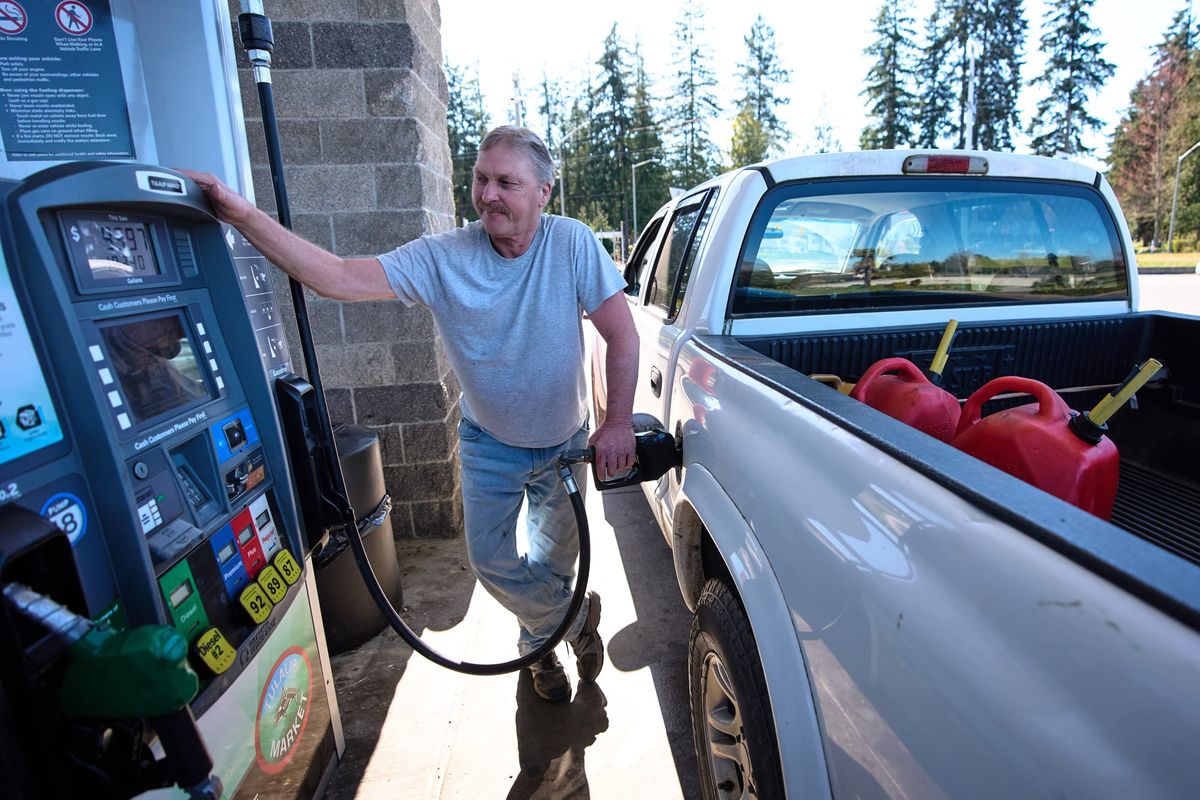
As gas prices continue to rise amid the Iran war, drivers across the U.S. may be able to save at the pump by filling up at tribally owned stations.
Nationwide, average gas prices have climbed more than $1 per gallon since the war began. In some cases, tribally owned gas stations can offer lower prices than nearby competitors due to differences in how state fuel taxes are applied on tribal lands.
Dozens of tribally owned gas stations and convenience stores operate in states with significant tribal presence and business activity, including Oklahoma but also California, New Mexico, New York, and Washington.
Legal experts say longstanding court precedent and state-tribal agreements can limit how states apply certain taxes on tribal lands. While tribes generally still pay the federal fuel tax of 18 cents per gallon, these legal frameworks can allow for savings that, in some cases, reach 50 cents per gallon or more.
Many tribally owned gas stations are located near casinos, and some convenience stores include gaming machines that draw in travelers.
Like other gas station operators, tribally owned businesses often rely on in-store purchases to drive revenue, as profit margins on fuel remain thin. Increasingly, some are also expanding their offerings to include grocery items, helping meet demand in communities where access to full-service grocery stores is limited.