Survey Finds Strong Interest in Native American Community Center; Listening Session Planned

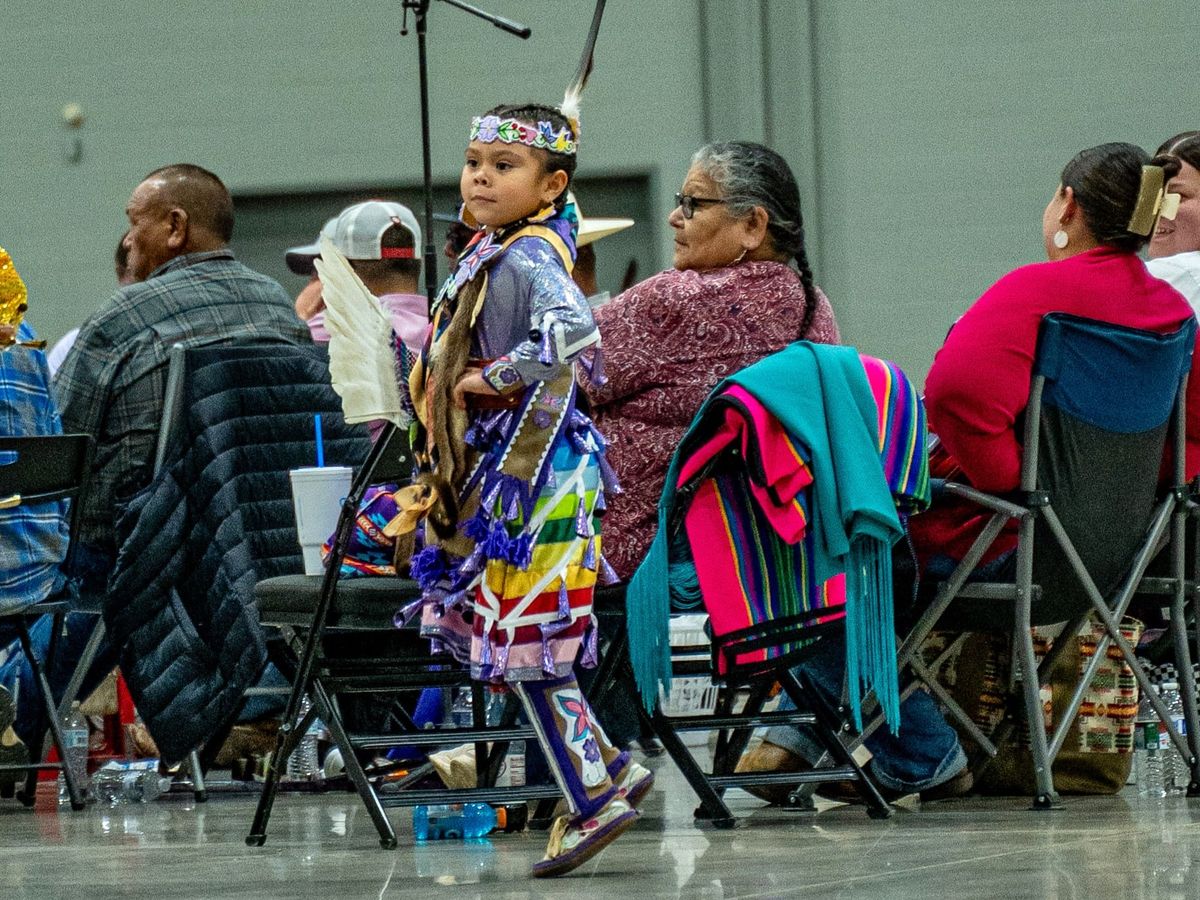
(TULSA, Okla.) It is widely known that Tulsa sits atop the reservations of three of Oklahoma’s largest Native American tribes: the Cherokee Nation, the Muscogee (Creek) Nation, and the Osage Nation. What is less known is just how tribally diverse the city truly is. As Native populations continue to grow and gather in Tulsa, many are asking: where is the dedicated space that reflects and serves this community?
Some community leaders are hoping to address that question, including Amanda Swope, a citizen of the Muscogee (Creek) Nation with Osage descent and the Director of Tribal Policy and Partnerships for the City of Tulsa.
“A community center for Tulsa's Native community is important because Tulsa has a very diverse Native population that is not always represented by the three Nations with reservations here, and many tribal members struggle to find opportunities to engage with their Nations,” Swope said.
In February, Crosswinds News launched the Tulsa Native American Community Center Input Survey, to learn more about how tribally diverse Tulsa’s Native community is and what community members would like to see included in a Native American Community Center.
Our survey analysis found respondents were affiliated with nearly 40 Tribal Nations. Almost half of those tribes are headquartered outside Oklahoma.
Many expressed a need for a designated intertribal space.
One respondent shared, “Being an at-large citizen really has alienated us from our tribe and with our tribe’s stories and traditions and our language. A community center might help to teach us and bring us together and learn from one another.”
The idea of a Native American Community Center has also been discussed at Native American Community Committee (NACC) meetings held at the Indian Health Care Resource Center (IHCRC).
Robert Anquoe, a citizen of the Kiowa Tribe and IHCRC Board President, has been part of those discussions and believes filling this need would have a generational impact.
“I hope that the imprint will be everlasting much like the previous Tulsa Indian Youth Council (TIYC) did for me,” said Anquoe. “Local Native families participated as well as mine and the memories are unforgettable. We met many urban Indians and learned the past history of Tulsa and the challenges facing the Indian community.”
Anquoe said a Native American Community Center could provide space for traditional crafts, language classes, games like stickball, cooking classes, meeting rooms, and events hosted by Native nonprofits and businesses.
He also believes this must be a collaborative effort with Native community members leading the way.
“The specific opportunities will be shaped and resourced by the local Native community itself,” said Anquoe. “Much can be said about the possibility of the social and economic impacts the Native community can provide, immediate impacts will come in the form of participation. Social interaction and collaboration will springboard to economic growth, which will include education, jobs, public service, and dedication of our Indian identity.”
Being able to connect with cultural identity is another key point survey respondents shared when expressing the need for a Native American Community Center.
One respondent said, “Reconnecting urban Indigenous people with their culture is vital to the physical, intellectual, emotional, and spiritual well-being of the community as a whole. Providing a safe place for Native people to come together for fun, family, fellowship, and ceremony is very much needed in the City of Tulsa.”
In addition to having a gathering space, a place for sports, arts, classes, and other meetings, many community members and leaders have talked about the possibility of having space to educate people about the Native American history of Tulsa.
“I think it's important for both of these spaces to exist, either as separate projects or with elements of separation in the same location,” said Swope. “Strengthening the presence of the Native community in Tulsa will also require making the history and stories of our Nations and communities more widely known to the public.”
Following strong participation in the online survey, Crosswinds will host an in-person community listening session later this month to gather additional feedback on the development of a Native American community center in Tulsa.
The session will be held Wednesday, June 24, from 6 p.m. to 8 p.m. at Suite Shots in Jenks. Community members will have the opportunity to review findings from the survey, learn about progress on the development of a center, discuss potential priorities for a future center, and share additional ideas and feedback.
Community members interested in helping shape the future of a Native American community center in Tulsa are encouraged to attend.
Click here to register for the free event.