Boarding School Survivors Invited to Share Their Stories as National Project Concludes in Tulsa
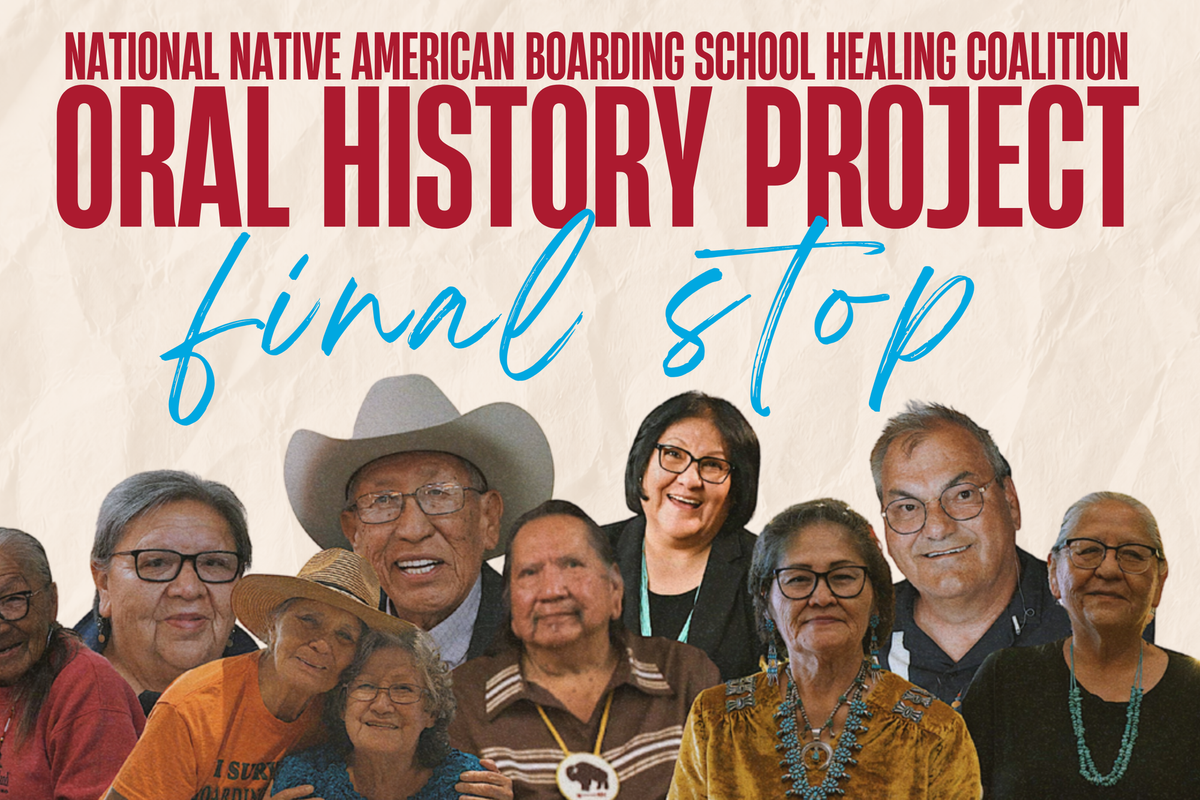
(TULSA, Okla.) After two and a half years spent conducting more than 300 interviews across 19 states, the National Native American Boarding School Healing Coalition (NABS) will hold the final stop of its Oral History Project in Tulsa next week.
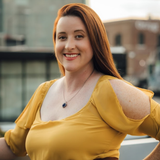
Charlee Brissette (Sault Ste. Marie Tribe of Chippewa Indians) is the Oral History Program Co-Director. She tells us Oklahoma has been a big part of their 22-stop initiative.
“Oklahoma had the most boarding schools in all of the states in the United States,” Brissette said. “There were 98 boarding schools there that we know of so far. And so, it's really significant to be doing this and finishing this historic event in Oklahoma, in Tulsa.”
Tens of thousands of Native American children were removed from their families and cultures and forced to attend boarding schools during the 1800s and 1900s. Many experienced abuse and neglect, including punishment for speaking their Native languages and practicing their cultures and traditions.
Brissette said the idea to "close the circle" in Oklahoma came from a traditional healer and spiritual leader who participated in the project's opening ceremony in Oklahoma City in March 2024.
Related Story: Oral History Project preserving voices of Native boarding school survivors
“He suggested that we return to close the circle in the same way that we opened it,” Brissette said. “We're honoring that, we're honoring his request to close the circle and close the ceremony that he opened for us in the beginning.”
The opening ceremony for the final stop will be held Monday, June 22, from 4 to 6 p.m. The closing ceremony will be held on Friday, June 26, from 4 to 7 p.m. Both will be held at the DoubleTree by Hilton Downtown Tulsa.
Local organization The Tulsa Indian Club will be assisting with both the opening and closing ceremonies, which are open to families, communities and the public but focused on boarding school survivors.
The time between the two ceremonies will be spent conducting final interviews.
“We do have a number of interview spots still available that take place on Tuesday, Wednesday, Thursday, all day, and then we do have one or two spaces on Friday morning,” Brissette said. “And it's for those boarding school survivors that attended a federally supported school prior to 1970. And if they have questions, if relatives have questions about if their school was federally supported or if they can get travel assistance or accommodations or things like that, we can definitely help with that.”
Those interested in sharing their experience can schedule an interview the following ways:
- Send them an email at OralHistoryProject@nabshc.org
- Call (651) 650-4445
- Sign up online at: https://boardingschoolhealing.org/oral-history-project
“We'll reach out to them right away and help work with their schedule, work with them,” Brissette said. “We're trying to minimize any barriers to participate. We're even sending people gas cards. We take care of hotel accommodations for them. And so we have a lot of people coming from out of state to take part in this project because it is such a monumental project.”
The Oral History Project has been a cooperative agreement between NABS, the Department of the Interior, the Library of Congress, and the Smithsonian. Once the final interviews are complete, all interviews will then be transferred to the Library of Congress to become part of a permanent oral history collection that will be made available to the public in early 2027.
“We're all still going to be in good relationship to make sure that these stories are well taken care of, are stewarded in a good way, and set out the way that they were intended to create a collection that's available to the public to educate people, to inform people, and to honor the stories of those that have shared,” Brissette said.
While this is the end of this iteration of the Oral History Project, Brissette said oral history programs are a permanent part of NABS and the organization plans to continue expanding the work in the future.
“We've had a lot of descendants reach out to us, traditional knowledge keepers, historians, things like that,” Brissette said. “We want to make sure that it's more inclusive than we've been able to do so far. So that's what's on the horizon for NABS oral history programs, as well.”
To learn more about NABS programming, visit boardingschoolhealing.org/